
Three Towers, One Name: Bablot, Bablod, Babel, and the Migration of the Tower Story
The Genesis Tower of Babel story describes one tower and one confusion of tongues. The Urantia Book records three successive attempts to build the tower across approximately 150,000 years, each in a different location, with the name migrating through the sequence Bablot, Bablod, Babel, Babylon. The biblical single-tower narrative is a compressed memory of an actual three-attempt sequence whose original cause was a civil war over purpose, not a divine confusion of language.
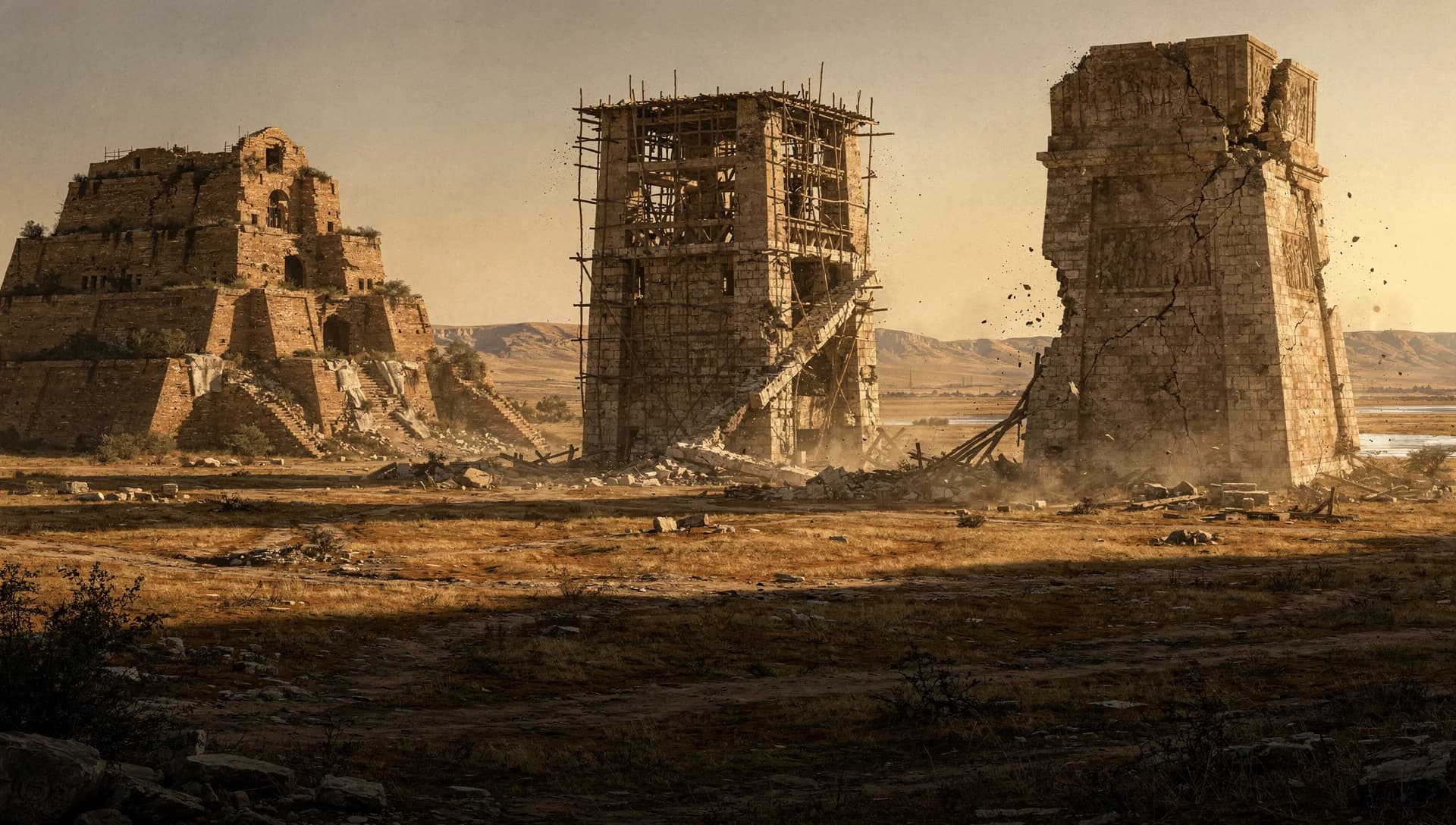
Three historical towers compressed into one Genesis narrative = Tower of Babel, Babylon: name migration across Bablot, Bablod, Babel
This article expands on the decoder mapping. For the side-by-side card and quick reference, see the mapping page.
The Single-Tower Tradition and the Three-Tower Reality
Genesis 11:1-9 describes the Tower of Babel as a single event: a unified humanity speaking one language, attempting to build a tower reaching heaven, defeated by the divine confusion of tongues that scattered them across the earth. The narrative has served as the foundational biblical account for the diversification of human languages and the origin of Babylon as the city of the tower.
The Urantia Book documents the actual historical substrate: three distinct tower-building attempts across approximately 150,000 years of Nodite and post-Nodite history, the second raised on the ruins of the first, with the name of the site migrating through the sequence Bablot, Bablod, Babel, and eventually Babylon. The Genesis narrative compresses these three attempts into a single event and substitutes a cause of divine language confusion for the actual historical cause: a three-faction civil war over the tower's purpose.
What the Urantia Book Says
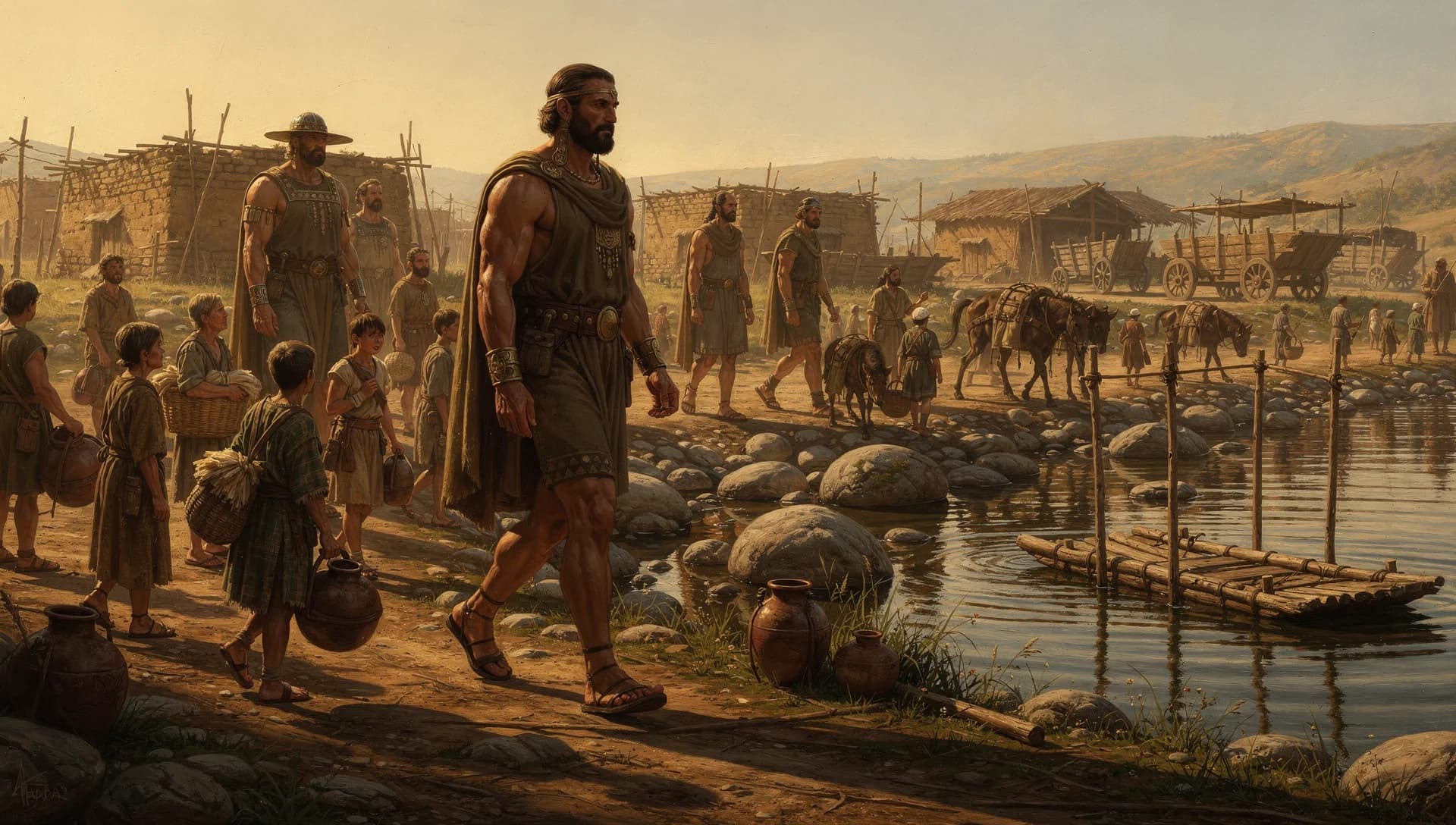
The Urantia Book documents the first tower in detail at UB 77:3. The project arose approximately fifty thousand years after the death of Nod (77:3.1), when the Nodite descendants of the Prince's staff had become too numerous for their original headquarters at Dilmun:
"Accordingly a council of the tribes was called, and after much deliberation the plan of Bablot, a descendant of Nod, was endorsed." (77:3.1)
Bablot proposed a pretentious temple of racial glorification:
"Bablot proposed to erect a pretentious temple of racial glorification at the center of their then occupied territory. This temple was to have a tower the like of which the world had never seen. It was to be a monumental memorial to their passing greatness." (77:3.2)
The new city was named Bablot after the architect:
"Bablot planned that the new buildings should become the nucleus of the future center of the Nodite culture and civilization. His counsel finally prevailed, and construction was started in accordance with his plans. The new city was to be named Bablot after the architect and builder of the tower. This location later became known as Bablod and eventually as Babel." (77:3.3)
Three factions disputed the tower's purpose. The majority wanted a memorial to Nodite racial superiority (77:3.5). The second faction wanted a commercial and cultural center (77:3.6). The smallest faction wanted to build it as atonement for the Caligastia rebellion (77:3.7). The three-faction dispute produced civil war that destroyed the first tower.
The second tower is documented:
"About twelve thousand years ago a second attempt to erect the tower of Babel was made. The mixed races of the Andites (Nodites and Adamites) undertook to raise a new temple on the ruins of the first structure, but there was not sufficient support for the enterprise; it fell of its own pretentious weight. This region was long known as the land of Babel." (77:3.9)
The third tower, in historical Babylon, is referenced at UB 78:8.4 in the context of the late barbarian Euphrates-basin incursions that produced the historical Babylonian civilization.
What the Ancient Sources Say
The Genesis 11:1-9 Tower of Babel narrative is preserved in the Hebrew Bible. The biblical narrative locates the event at Shinar (the plain of Mesopotamia) and attributes the dispersion of humanity to divine intervention in response to human presumption. The etymology links Babel with Hebrew balal (confuse), producing the traditional reading of the tower's name as meaning "confusion". The Babylonian etymology (Akkadian Bab-ili, "gate of the god") is linguistically better attested than the Hebrew balal connection.
The archaeological record of Babylonian ziggurats (the stepped-pyramid temple towers characteristic of Mesopotamian city-states from the third millennium BCE onward) establishes the historical pattern of tower-temple construction in the Mesopotamian cultural zone. The Etemenanki ziggurat of Babylon (dedicated to Marduk, principal sanctuary of historical Babylon) is conventionally identified as the specific ziggurat underlying the Genesis Tower of Babel narrative. Robert Koldewey's excavations at Babylon (1899-1917) documented the Etemenanki foundations, and Hansjörg Schmid's Der Tempelturm Etemenanki in Babylon (Von Zabern, 1995) provides the principal archaeological synthesis.
Samuel Noah Kramer's History Begins at Sumer (Doubleday, 1956) identified Sumerian antecedents for the Tower of Babel narrative, including the composition Enmerkar and the Lord of Aratta which preserves a tradition of a primordial unified-language humanity that Enki subsequently confused, with structural parallels to the Genesis narrative.
Why This Mapping Matters
The Urantia Book's three-tower account specifically resolves several difficulties in mainstream Tower of Babel interpretation. The single-tower Genesis narrative has puzzled scholars in its etiological function (explaining the diversity of human languages through a single legendary event) and in its compressed historical content (apparently collapsing multiple tower-building episodes into one).
The UB framework supplies the actual history: three distinct tower attempts, each at a different location, with the name Bablot migrating westward through Bablod to Babel and finally to the historical Babylon on the Euphrates. The civil-war cause the UB documents at 77:3.8 (the three-faction dispute destroying the first tower) explains the specific tower-destruction element that the Genesis narrative preserves through the substitution of divine language confusion.
The continuous naming tradition across Bablot, Bablod, Babel, and Babylon represents genuine toponymic memory across a substantial time-depth, preserved through the Nodite-Andite cultural continuity into the historical Mesopotamian cultural-linguistic substrate.
Sources
- The Urantia Book, Paper 77 (The Midway Creatures), Paper 78 (The Violet Race After the Days of Adam). Urantia Foundation, first printing 1955. Cited passages: 77:3.1-9, 78:8.4.
- Kramer, Samuel Noah. History Begins at Sumer. Doubleday, 1956.
- Schmid, Hansjörg. Der Tempelturm Etemenanki in Babylon. Von Zabern, 1995.
- Koldewey, Robert. The Excavations at Babylon. Macmillan, 1914.
- George, Andrew R. "The Tower of Babel: Archaeology, History and Cuneiform Texts." Archiv für Orientforschung 51, 2005-2006.
- Genesis 11:1-9. New Revised Standard Version.
Confidence and Evidence
- Confidence: UB CONFIRMED
- Evidence rating: MODERATE
- Basis: The Urantia Book documents the three-tower sequence at UB 77:3.1-9 and 78:8.4. The biblical Tower of Babel narrative preserves compressed memory of the larger three-tower historical sequence. The archaeological record of Babylonian ziggurats and the Sumerian antecedent traditions support the broader historical substrate.
Related Decoder Articles
By Derek Samaras
Connecting Articles
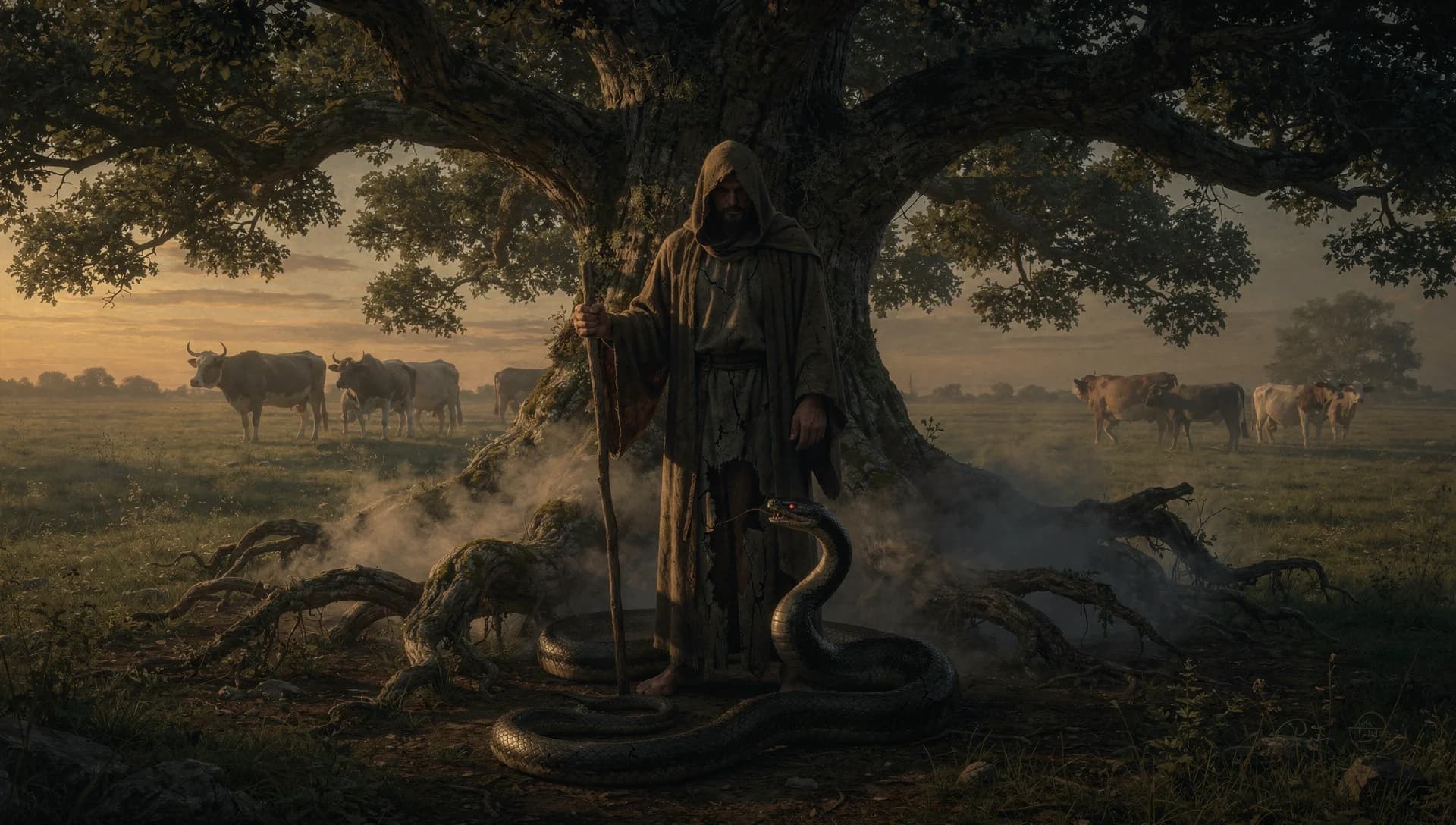
The Shadow Beneath the Oak: Veles and the Nodite Chthonic Memory
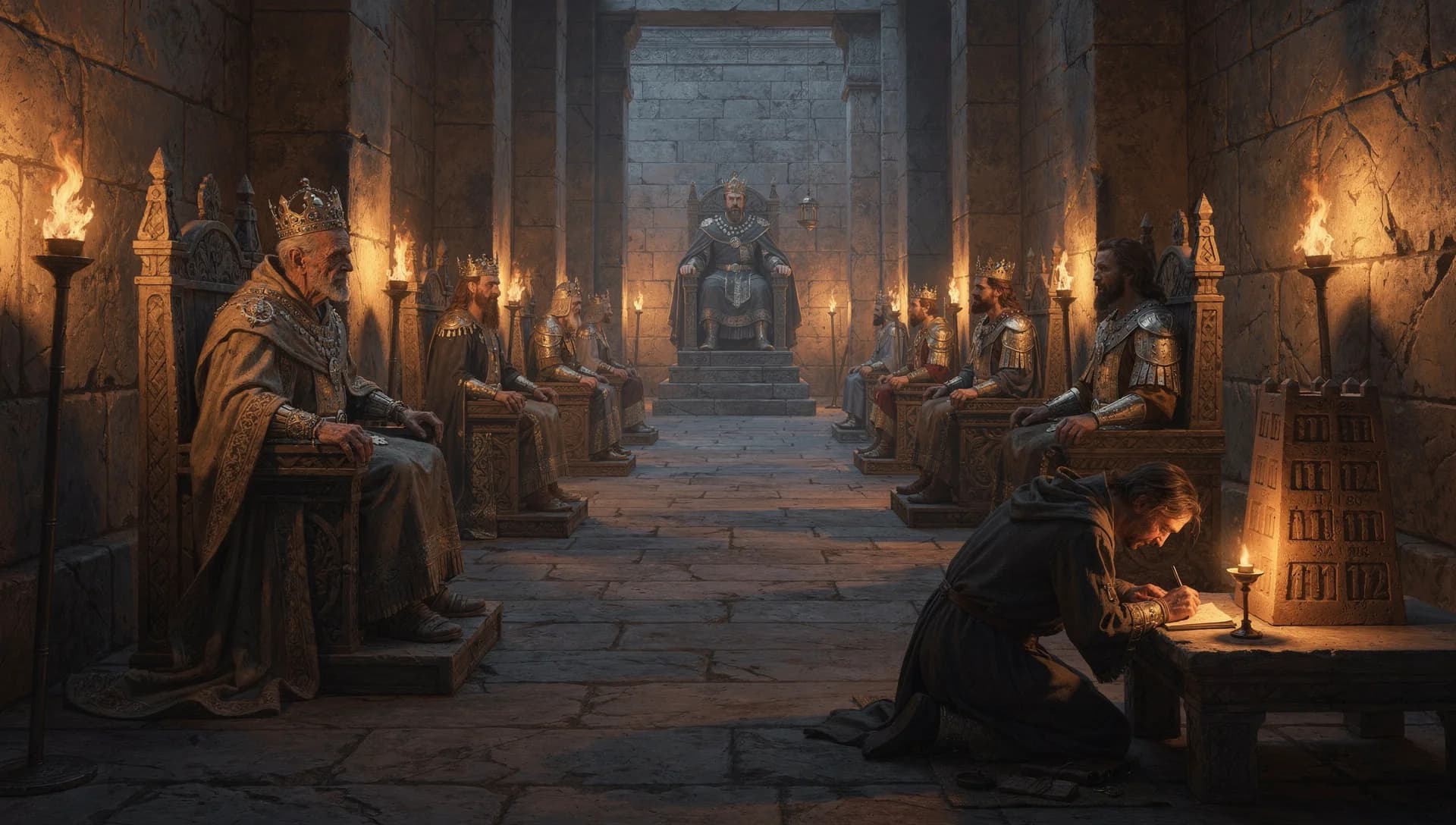
Kings Who Lived Too Long: The Nodite Dynasty and the Sumerian King List
The Nodites and the Nephilim: The Most Direct Mythology Decode in the Urantia Book

The Longest Memory: Australian Aboriginal Dreamtime and the Primordial Teaching-Ancestors
The Newsletter
Get the research behind each piece
Free. New Urantia Book explorations, the sources behind the videos, and early looks. No spam, unsubscribe anytime.
Prefer video? Follow on YouTube and Facebook.
Delivered through Substack. You can also read past issues.