
The Act Behind the Symbol: Eve's Union with Cano and the Forbidden Fruit
Genesis 3 describes the default of the first humans as the eating of forbidden fruit. The Urantia Book identifies the historical event the fruit symbolizes: Eve's sexual union with Cano, a Nodite leader, in a premature attempt to accelerate the Adamic biological uplift. The theological doctrine of original sin rests on a memory of this decision.
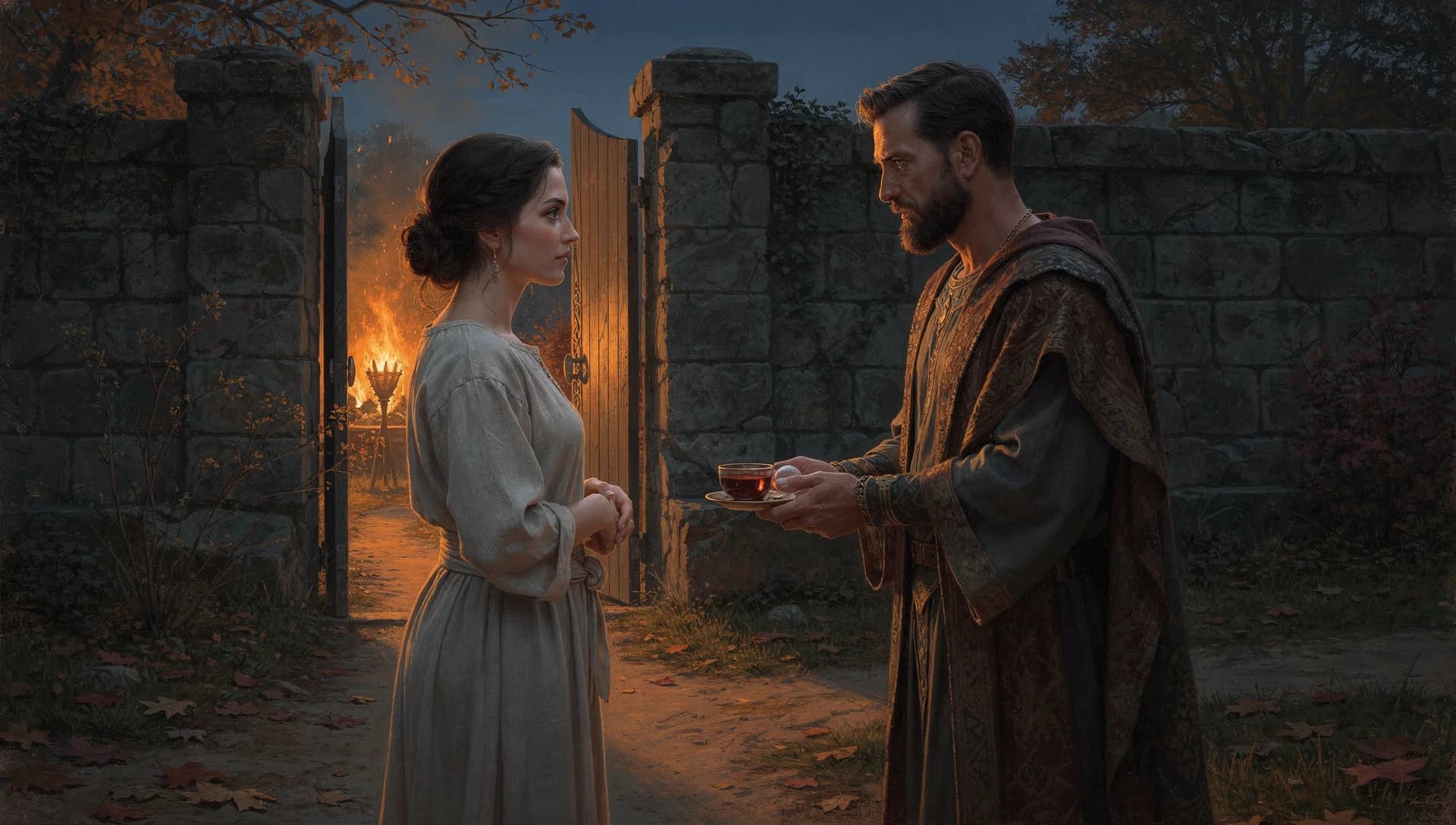
Eve's mating with Cano the Nodite = "Eating the Forbidden Fruit" / Original Sin
This article expands on the decoder mapping. For the side-by-side card and quick reference, see the mapping page.
The Symbol and the Act
The Genesis narrative presents the default of the first humans as the eating of a forbidden fruit. The act is singular, discrete, understandable as a simple transgression of a divine prohibition. The theological traditions that developed from this narrative, the Jewish doctrines of the yetzer hara, the Christian doctrines of original sin and the fall, the elaborate Augustinian and Reformed theologies of human corruption, all rest on this compact narrative of fruit, tree, serpent, and transgression.
The Urantia Book identifies the historical event that the fruit symbolism encodes. The default was not the consumption of a piece of botanical material but the consummation of a sexual relationship between Eve and Cano, a brilliant Nodite leader, in the context of the Serapatatia-engineered plan to accelerate the Adamic biological uplift.
What the Urantia Book Says
The Serapatatia plan developed across more than five years of secret maturation. The culminating meeting is described with historical specificity:
"For more than five years these plans were secretly matured. At last they had developed to the point where Eve consented to have a secret conference with Cano, the most brilliant mind and active leader of the near-by colony of friendly Nodites. Cano was very sympathetic with the Adamic regime; in fact, he was the sincere spiritual leader of those neighboring Nodites who favored friendly relations with the Garden." (UB 75:3.7)
Cano's character is important. Like Serapatatia, Cano was not an adversary but a sincere ally. He was the spiritual leader of the pro-Adamic faction within the neighboring Nodite population, and he believed genuinely in the righteousness of the Serapatatia project. The setting of the meeting and Cano's personal qualities are specified:
"The fateful meeting occurred during the twilight hours of the autumn evening, not far from the home of Adam. Eve had never before met the beautiful and enthusiastic Cano—and he was a magnificent specimen of the survival of the superior physique and outstanding intellect of his remote progenitors of the Prince's staff." (UB 75:3.8)
Cano descended from the corporeal staff's Nodite lineage, carrying residual biological quality from the original Caligastia staff's genetic material. He was, in Urantia Book terms, a pure-line Nodite of exceptional physical and intellectual endowment. The meeting's context was explicitly persuasion-oriented:
"Influenced by flattery, enthusiasm, and great personal persuasion, Eve then and there consented to embark upon the much-discussed enterprise, to add her own little scheme of world saving to the larger and more far-reaching divine plan. Before she quite realized what was transpiring, the fatal step had been taken. It was done." (UB 75:3.9)
The "fatal step" is the mating. The Urantia Book does not elaborate the physical details but the consequence is explicit. Cain was the offspring of this union (UB 76:2.4 refers to Cain as not being of Adam's lineage), a fact the Urantia Book treats as historical record rather than symbolic narrative. The default's theological significance is developed precisely:
"Eve had consented to participate in the practice of good and evil. Good is the carrying out of the divine plans; sin is a deliberate transgression of the divine will; evil is the misadaptation of plans and the maladjustment of techniques resulting in universe disharmony and planetary confusion." (UB 75:4.3)
The archangel custodian's repeated warning, which Eve ignored, is quoted:
"Every time the Garden pair had partaken of the fruit of the tree of life, they had been warned by the archangel custodian to refrain from yielding to the suggestions of Caligastia to combine good and evil. They had been thus admonished: 'In the day that you commingle good and evil, you shall surely become as the mortals of the realm; you shall surely die.'" (UB 75:4.4)
Eve had shared this warning with Cano, and Cano's response shows the character of the Serapatatia project's theological self-understanding:
"Eve had told Cano of this oft-repeated warning on the fateful occasion of their secret meeting, but Cano, not knowing the import or significance of such admonitions, had assured her that men and women with good motives and true intentions could do no evil; that she should surely not die but rather live anew in the person of their offspring, who would grow up to bless and stabilize the world." (UB 75:4.5)
Cano's promise, "you shall surely not die but rather live anew in the person of their offspring, who would grow up to bless and stabilize the world," is almost verbatim what the Genesis serpent tells Eve: "You will not surely die... your eyes will be opened, and you will be like God" (Genesis 3:4-5). The structural correspondence is tight enough to mark. The promise the Genesis serpent makes is the promise Cano made, in the Urantia account, at the moment of the persuasion.
What the Ancient Source Says
The Genesis narrative presents the forbidden fruit as a botanical object from a tree, the tree of the knowledge of good and evil (Genesis 2:17). Eating the fruit produces immediate consequences: the awareness of nakedness, shame, and eventually the expulsion from Eden. The narrative's compact symbolism has been exhaustively analyzed in biblical scholarship.
Several features of the Genesis text suggest symbolic rather than literal fruit-consumption reading. First, the awareness of nakedness as the immediate consequence points toward sexual awakening rather than generic moral awareness. Second, the shame specifically associated with sexuality (Genesis 3:7 - making coverings for themselves) rather than with moral consciousness more broadly. Third, the immediate introduction of childbearing pain (Genesis 3:16) as consequence of the default ties the outcome to the reproductive domain. Fourth, the serpent-language of "knowing" in the fruit's name (ve-yadu'a tov va-ra, "knowing good and evil") parallels the biblical use of yada for sexual knowing.
These features have led a significant strand of biblical scholarship to read the Genesis default as sexually encoded. Robert Alter, in Genesis: Translation and Commentary (W. W. Norton, 1996), discusses the sexual dimension. Ziony Zevit's What Really Happened in the Garden of Eden (Yale University Press, 2013) argues at book length for a sexually inflected reading of the default. The Mesopotamian parallels, particularly in the Adapa narrative and in the Gilgamesh-Enkidu encounter with Shamhat, support a reading of the forbidden-knowledge theme in ancient Near Eastern literature as frequently sexual in reference.
The Christian tradition has often read the default as specifically sexual despite the text's superficial botanical surface. Augustine's City of God and Confessions treat original sin as transmitted through the sexual act, a position that remained influential in Western theology for fourteen centuries. The connection between the fall and sexuality is not a modern imposition but a deep interpretive tradition.
The Urantia Book's account does not dispute the serpent-conversation and the tree-of-knowledge framing; it reframes them as symbolic compressions of historical events. The conversation happened (with Serapatatia, across more than five years). The persuasion happened (from Cano, on the evening of the meeting). The "fruit" was the consummation of the sexual union. The tree of life was real and separate (a real Edentia shrub providing physiological sustenance, which Adam and Eve actually ate from). The tree of knowledge of good and evil, on Urantia Book reading (see 73:6.3), may have been "a figure of speech, a symbolic designation covering a multitude of human experiences" rather than a second physical tree. The two-tree distinction in Genesis is, on this reading, the Hebrew tradition's compression of what was actually the tree of life (real, physiological) and the category of human experience (symbolic).
Why This Mapping Matters
The doctrine of original sin is one of the most consequential theological constructions in Western religious history. It shaped Augustine's theology, the Reformation's soteriology, and the broader Christian understanding of human nature. The doctrine rests on a reading of Genesis 3: that the first humans committed a single decisive act of disobedience that corrupted human nature and transmitted corruption to all subsequent generations.
The Urantia Book's account preserves several features of this doctrine while correcting others. The default was real. It was committed by specific historical individuals. It did have genetic and cultural consequences for subsequent generations. Its effects did include the transmission of biological and spiritual deficits (Adam and Eve's default meant their descendants inherited only a "single circulation" without the parental endowment of dual nutrition, 76:4.3). The structural features of original-sin doctrine are historically grounded.
What the Urantia account corrects is the theological interpretation. The default was not straightforward disobedience under the influence of malicious temptation. It was a miscalculated good-faith acceleration of the divine plan, committed by genuinely devoted individuals under complex persuasion. The default's evil quality, as the Urantia Book specifies, was not in its malicious intent but in its "misadaptation of plans and the maladjustment of techniques" (75:4.3). Good ends pursued by wrong means produce evil consequences. That is the structural lesson.
The Cano identification matters because it puts a face and a name on the proximate human agent of the default. Cano was not the Genesis serpent as a malicious deceiver; he was a sincere spiritual leader of a friendly people who believed what Serapatatia believed and communicated that belief convincingly. The default's tragedy is sharpened by this understanding. Everyone involved in producing the default acted from high motives. The catastrophic consequences followed anyway because the method was wrong.
The theological consequence is that the doctrine of original sin is better understood not as the human inheritance of malicious rebellion against God but as the human inheritance of a damaged biological and cultural substrate caused by a good-faith miscalculation at a specific historical moment. This is a more tragic and more philosophically defensible account of the fall than the conventional malicious-temptation reading. The Urantia mapping establishes the historical event the doctrine has always pointed toward.
Sources
- The Urantia Book, Paper 73 (The Garden of Eden), Paper 75 (The Default of Adam and Eve), Paper 76 (The Second Garden). Urantia Foundation, first printing 1955. Cited passages: 73:6.3, 75:3.7, 75:3.8, 75:3.9, 75:4.3, 75:4.4, 75:4.5, 76:4.3.
- Alter, Robert. Genesis: Translation and Commentary. W. W. Norton, 1996.
- Zevit, Ziony. What Really Happened in the Garden of Eden. Yale University Press, 2013.
- Wenham, Gordon J. Genesis 1-15. Word Biblical Commentary, Word Books, 1987.
- Westermann, Claus. Genesis 1-11: A Commentary. Translated by John J. Scullion, Augsburg, 1984.
- Kugel, James L. How to Read the Bible: A Guide to Scripture, Then and Now. Free Press, 2007.
- Lang, Bernhard. Hebrew Life and Literature: Selected Essays of Bernhard Lang. Ashgate, 2008.
Confidence and Evidence
- Confidence: UB CONFIRMED
- Evidence rating: MODERATE to STRONG
- Basis: The Urantia Book narrates the Serapatatia-Cano-Eve sequence in historical detail across Paper 75. The Genesis text's sexually coded features (shame at nakedness, childbearing consequence, Hebrew yada resonance) support a sexually encoded reading that the Urantia account makes explicit. Cano's promise in UB 75:4.5 parallels the Genesis serpent's promise in 3:4-5 closely enough to suggest a causal relationship between the two texts.
Related Decoder Articles
- Serapatatia, Well-Meaning Nodite Leader = The Serpent
- Machiventa Melchizedek = Deleted Priest-King of Genesis
- Adam, Material Son = Adapa, the Sage Who Lost Immortality
By Derek Samaras
Connecting Articles
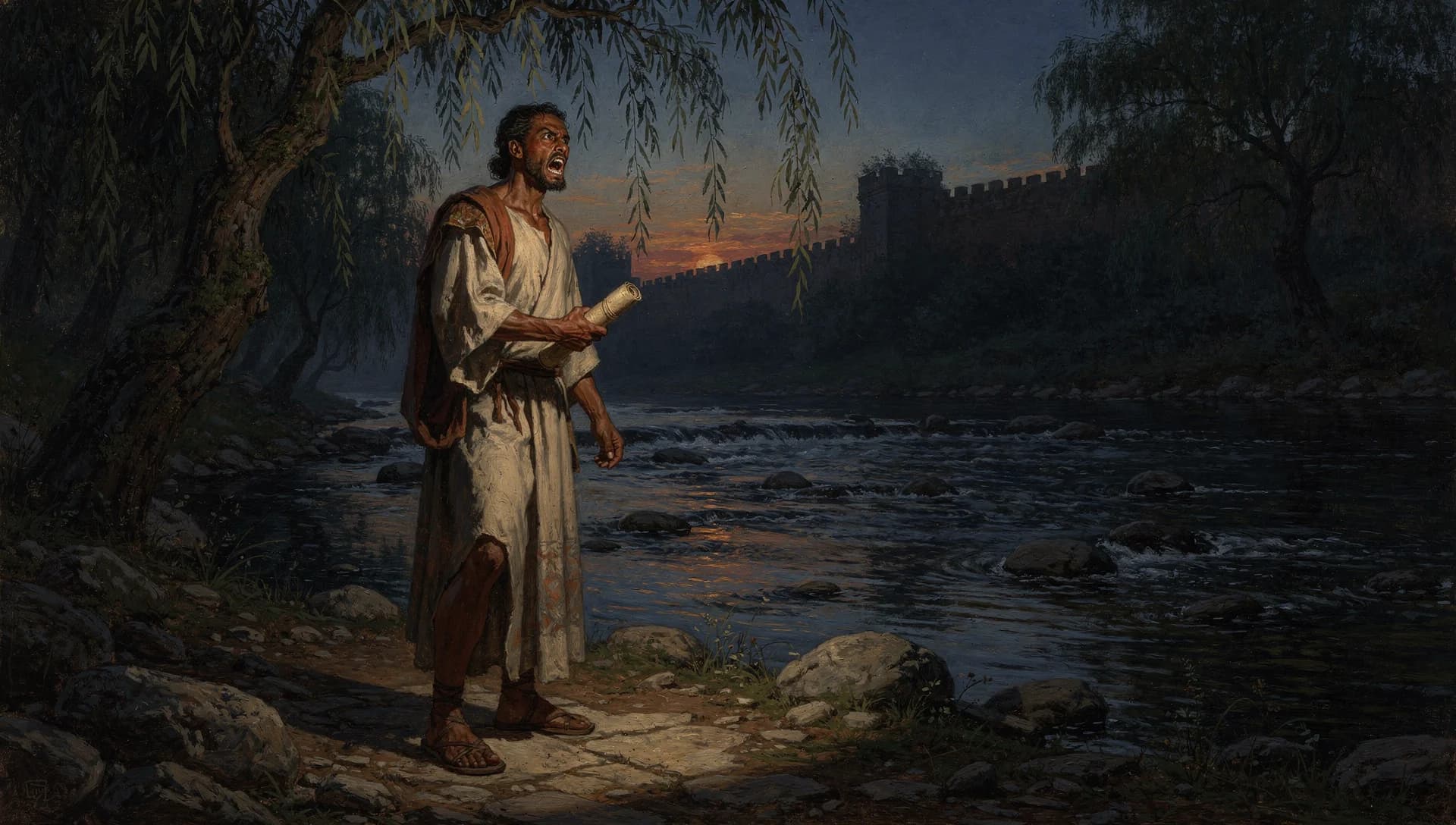
The Serpent Had a Name: Serapatatia and the Garden Narrative
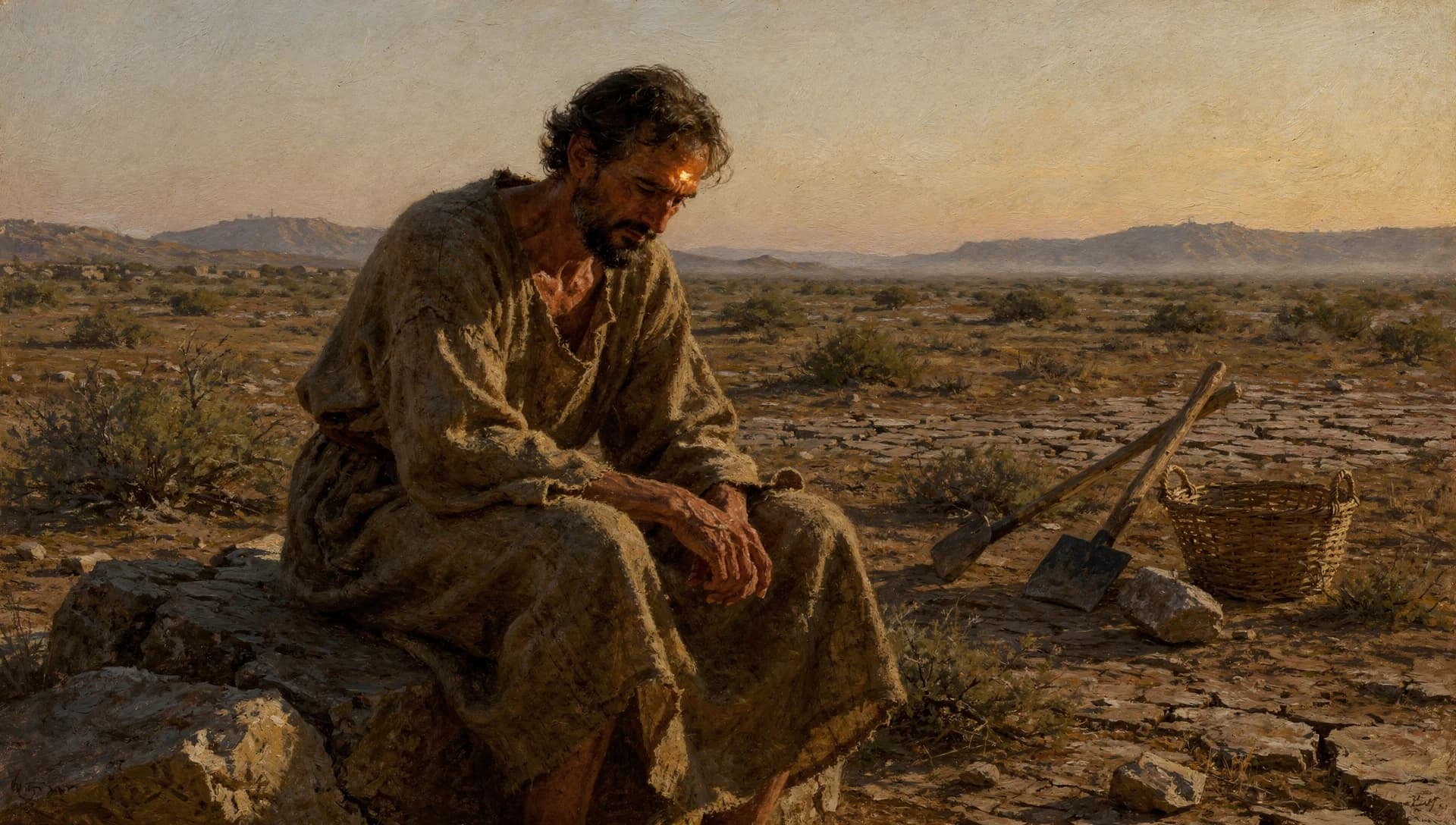
The Mark of Mercy: Cain's Thought Adjuster and the Genesis Mark
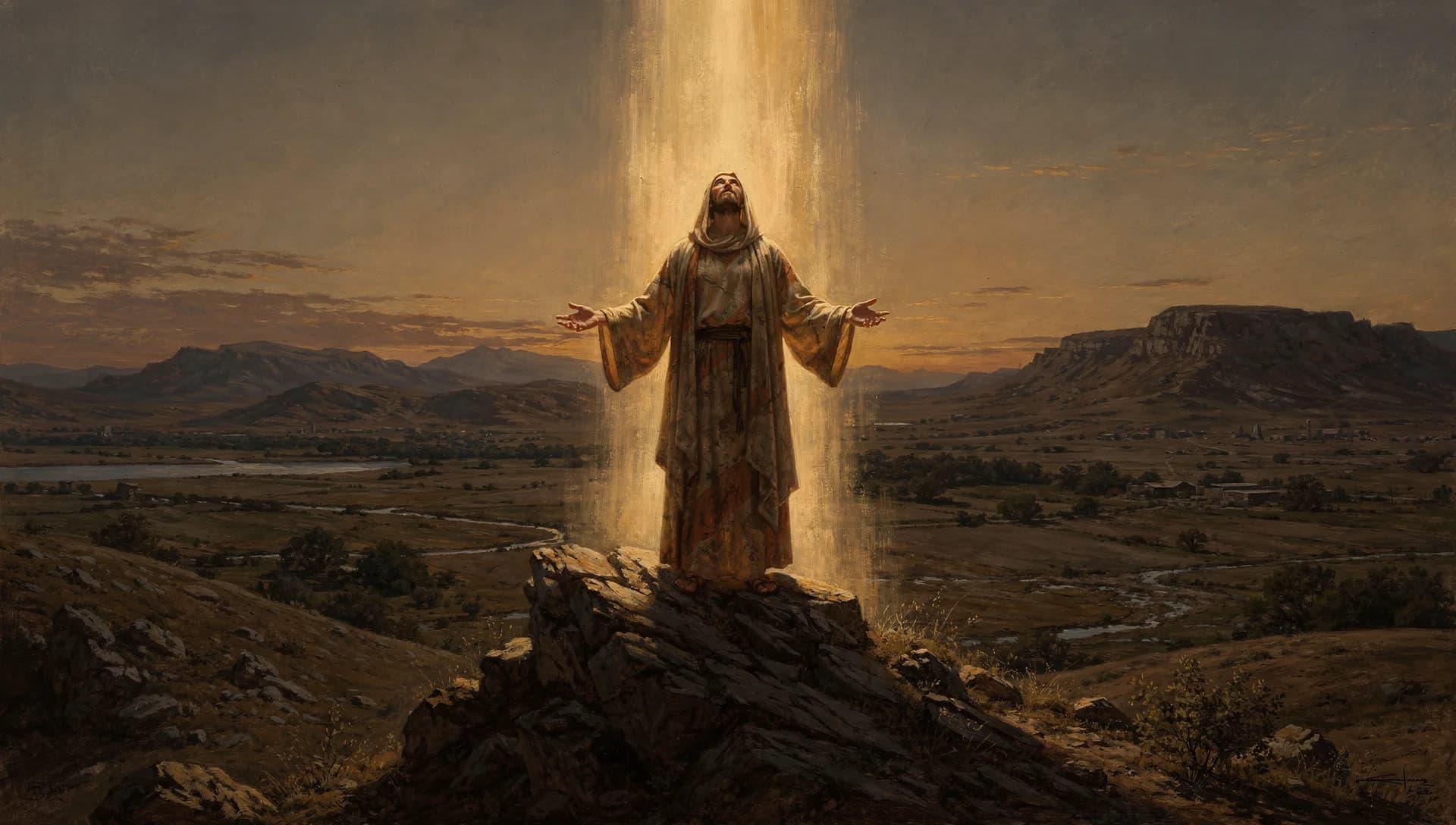
The One Who Did Not Die: Enoch's Fusion and the Genesis 5:24 Mystery
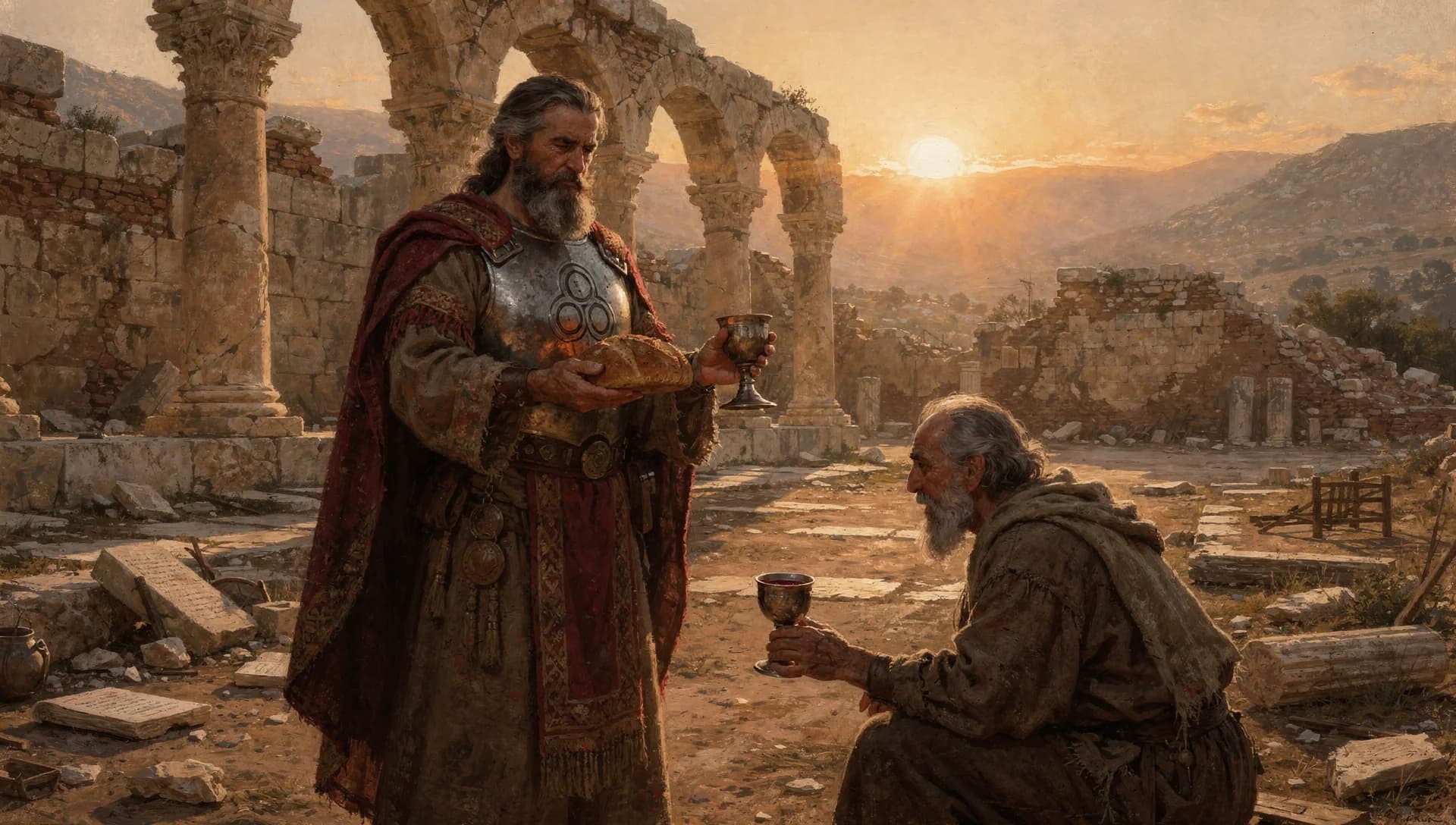
The Priest Who Had No Father: Machiventa Melchizedek and the Genesis Fragment
The Newsletter
Get the research behind each piece
Free. New Urantia Book explorations, the sources behind the videos, and early looks. No spam, unsubscribe anytime.
Prefer video? Follow on YouTube and Facebook.
Delivered through Substack. You can also read past issues.