
Not One Devil, Six Rebels: The Theological Confusion of Lucifer, Satan, and Caligastia
Christian theology has combined several distinct ancient adversarial figures into a single cosmic Devil. The Urantia Book names six distinct rebel personalities involved in the specific rebellion that affected Urantia, and identifies the three the Western religious tradition principally confuses into one.
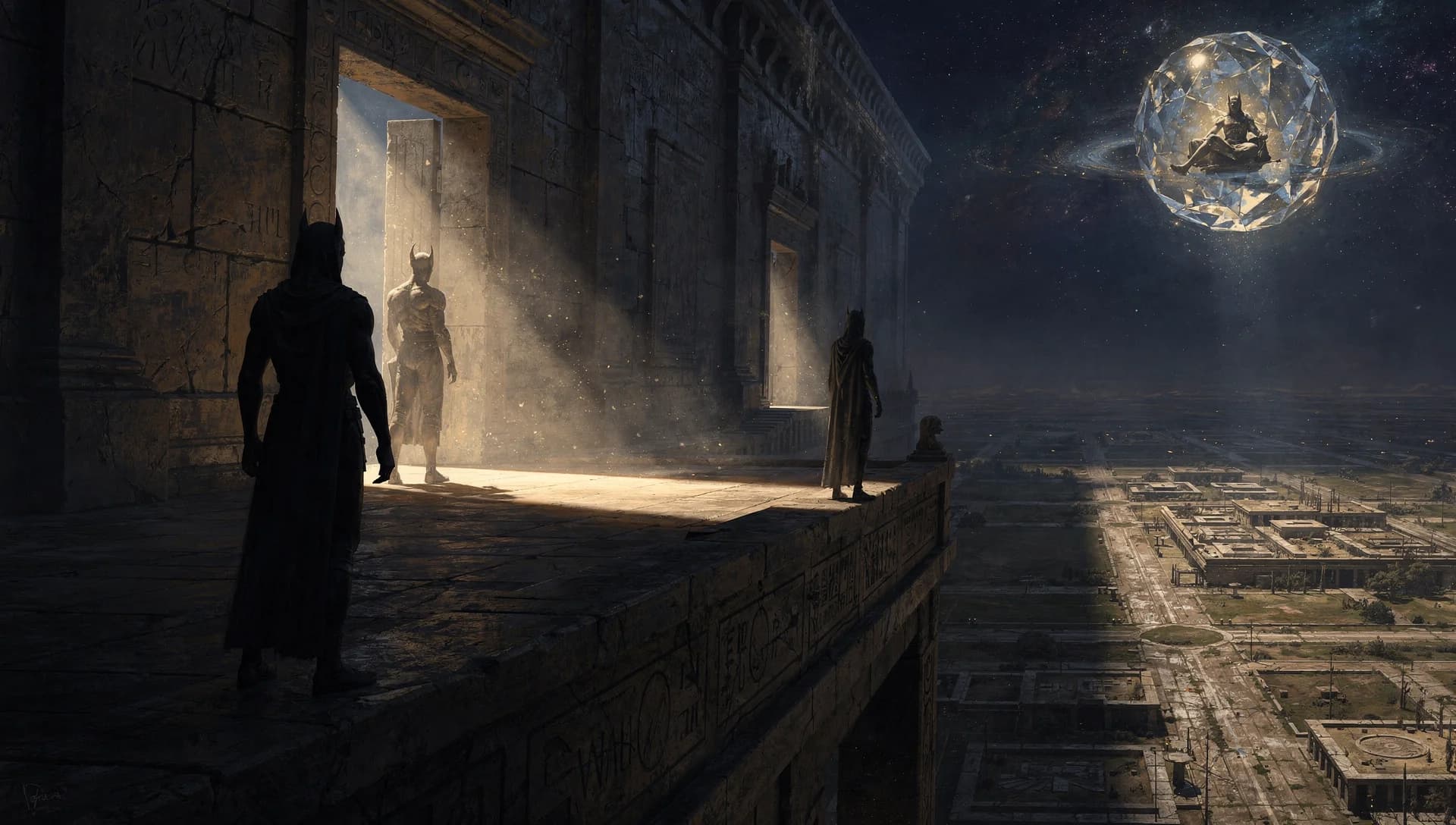
Lucifer, Satan, Caligastia: three distinct beings confused as one "Devil" = The Devil / The Dragon / The Adversary, theological confusion of six rebel leaders
This article expands on the decoder mapping. For the side-by-side card and quick reference, see the mapping page.
One Name, Many Persons
The word "Devil" in Western religious tradition has functioned as a catch-all designation for a wide range of adversarial figures that the underlying texts distinguished. The Hebrew Bible names ha-satan (the adversary) in Job 1-2 and Zechariah 3 as one figure with one role (the prosecutor before the heavenly court), not a general name for cosmic evil. The Christian New Testament introduces Satan, the devil, the dragon, the ancient serpent, the prince of this world, the evil one, and Beelzebul, often in contexts that suggest distinct referents but that the interpretive tradition progressively collapsed into a single figure. The Book of Revelation (12:9) combines "the dragon, that ancient serpent, who is called the devil and Satan" as if these were necessarily the same being.
The Urantia Book untangles the collapse. The rebellion that produced the cosmic adversarial figures was a definite event, involving distinct persons, and has been systematically misread by Western religious tradition as the career of a single cosmic devil.
What the Urantia Book Says
The Urantia Book names the rebellion's principal figures and their distinct roles:
"Very little was heard of Lucifer on Urantia owing to the fact that he assigned his first lieutenant, Satan, to advocate his cause on your planet. Satan was a member of the same primary group of Lanonandeks but had never functioned as a System Sovereign; he entered fully into the Lucifer insurrection. The 'devil' is none other than Caligastia, the deposed Planetary Prince of Urantia and a Son of the secondary order of Lanonandeks. At the time Michael was on Urantia in the flesh, Lucifer, Satan, and Caligastia were leagued together to effect the miscarriage of his bestowal mission. But they signally failed." (UB 53:1.4)
The three principal figures are distinct. Lucifer was the System Sovereign of Satania; Satan was his first lieutenant who advocated his cause on Urantia; Caligastia was the deposed Planetary Prince of Urantia (53:1.4). Abaddon was Caligastia's chief of staff, and Beelzebub led the disloyal midway creatures who allied with Caligastia (53:1.5).
The post-bestowal situation is named:
"Upon Michael's becoming the settled head of the universe of Nebadon, Lucifer was taken into custody by the agents of the Uversa Ancients of Days and has since been a prisoner on satellite number one of the Father's group of the transition spheres of Jerusem." (UB 53:9.2)
Satan's status is different from Lucifer's:
"Lucifer and Satan freely roamed the Satania system until the completion of the bestowal mission of Michael on Urantia. They were last on your world together during the time of their combined assault upon the Son of Man." (UB 53:8.1)
"Formerly, when the Planetary Princes, the 'Sons of God,' were periodically assembled, 'Satan came also,' claiming that he represented all of the isolated worlds of the fallen Planetary Princes." (UB 53:8.2)
Caligastia's specific post-bestowal status:
"Caligastia, your apostate Planetary Prince, is still free on Urantia to prosecute his nefarious designs, but he has absolutely no power to enter the minds of men, neither can he draw near to their souls to tempt or corrupt them unless they really desire to be cursed with his wicked presence." (UB 53:8.6)
The three figures have distinct identities, distinct roles in the rebellion, and distinct post-rebellion situations. Lucifer was the System Sovereign, directly responsible for the rebellion as its originator, now interned. Satan was the first assistant and operational envoy, working as Lucifer's agent on isolated worlds, later joining Lucifer in custody. Caligastia was the Planetary Prince of Urantia specifically, who followed Lucifer into rebellion, and who continues to operate on Urantia in progressively restricted capacity.
The broader rebellion involved additional figures. Daligastia was Caligastia's associate and continues to operate with him. The thirty-seven seceding Planetary Princes across other worlds each made their own choice to follow Lucifer. The total number of principal rebel leaders across the Satania system is substantially greater than the three principal figures Western tradition typically merges.
What the Ancient Sources Say
The Hebrew Bible's satan material is limited and precise. The Hebrew ha-satan (definite article) appears principally in Job 1-2 and Zechariah 3. In these texts, satan is a functional role (the adversary or prosecutor) within the heavenly court, not a proper name for a single cosmic evil figure. The personal-name use of Satan (without article) is a later development, beginning to appear in 1 Chronicles 21:1 (a late composition) and fully developed only in the post-exilic and intertestamental literature.
Elaine Pagels's The Origin of Satan (Random House, 1995) traces the development from the Hebrew adversarial-role satan to the Christian cosmic devil figure. Henry Ansgar Kelly's Satan: A Biography (Cambridge University Press, 2006) provides the comprehensive historical treatment.
The principal biblical texts that Christian tradition has merged into a single devil figure include:
- The serpent of Genesis 3 (not called Satan in the Hebrew; identified with Satan only in later interpretation, beginning in Wisdom of Solomon 2:24)
- Ha-satan of Job 1-2 (a member of the heavenly court, not necessarily evil)
- Ha-satan of Zechariah 3 (a prosecutor figure)
- Lucifer of Isaiah 14:12 (the "son of the dawn" passage, applied to the King of Babylon in context, retroactively read as a cosmic devil in later Christian interpretation)
- The beast of Revelation 13 and 17 (political-apocalyptic symbol, often read as devil)
- The dragon of Revelation 12 (explicitly identified with "the ancient serpent, who is called the devil and Satan")
- The prince of this world in John 12:31 (likely referring to Caligastia on Urantia account)
- Beelzebul/Beelzebub in Matthew 12:24 and parallels (a distinct named figure)
- Satan as a proper name in 1 Chronicles 21, the Gospels, and the epistles
Christian interpretive tradition, beginning with the Wisdom of Solomon and consolidating through the patristic period, progressively merged these distinct figures into a single cosmic devil whose career extends from the Genesis garden through the temptation of Christ to the apocalyptic final battle. The merger is theologically consequential: it produces a dualistic framework in which Satan-the-Devil is the cosmic counter-principle to God.
The Urantia Book's untangling (Lucifer as originator, Satan as operational agent, Caligastia as the figure local to Urantia, each with distinct histories) recovers a more precise account consistent with what the original texts actually distinguished.
Why This Mapping Matters
The theological consequence of the collapse is substantial. Reading Christian theology with a single cosmic Devil produces predictable outcomes: dualistic cosmology, moral struggle framed as warfare between equal powers, local temptation narratives read as cosmic events. Reading with the Urantia Book's untangling produces different outcomes: an administrative rebellion with named rebels, progressively resolved through Michael's bestowal, now in its final pending-adjudication phase.
The untangling has practical interpretive consequences. The Genesis 3 serpent is not Satan; it is Serapatatia (treated in the companion decoder article). The Job 1-2 ha-satan is the functional prosecutorial role, not the cosmic devil. The temptation of Christ in the wilderness involved both Lucifer and Satan personally (53:8.1), not a single Devil. The prince of this world in John 12:31 is specifically Caligastia, not a generic Satan.
The mapping's significance is that it recovers distinctions the underlying texts preserved but that the interpretive tradition collapsed. Each of the three principal figures has its own role in the Urantia history, its own current status, and its own expected future. The Western theological tradition's single Devil is the compressed result of an editorial pattern, not a genuine feature of the underlying cosmic reality.
For contemporary readers, the practical takeaway is that adversarial cosmic forces should be understood administratively rather than dualistically. The rebellion happened. It was significant. It has been substantially resolved. The remaining active adversarial presence on Urantia is limited and was weakened after Michael's bestowal. The cosmic dualism the Western theological tradition has preserved is an interpretive overlay on a more concrete and more resolvable administrative reality.
Sources
- The Urantia Book, Paper 53 (The Lucifer Rebellion), Paper 54 (Problems of the Lucifer Rebellion), Paper 67 (The Planetary Rebellion). Urantia Foundation, first printing 1955. Cited passages: 53:1.4-5, 53:8.1-2, 53:8.6, 53:9.2.
- Pagels, Elaine. The Origin of Satan. Random House, 1995.
- Kelly, Henry Ansgar. Satan: A Biography. Cambridge University Press, 2006.
- Russell, Jeffrey Burton. The Devil: Perceptions of Evil from Antiquity to Primitive Christianity. Cornell University Press, 1977.
- Russell, Jeffrey Burton. Satan: The Early Christian Tradition. Cornell University Press, 1981.
- Forsyth, Neil. The Old Enemy: Satan and the Combat Myth. Princeton University Press, 1987.
- Day, John. God's Conflict with the Dragon and the Sea: Echoes of a Canaanite Myth in the Old Testament. Cambridge University Press, 1985.
Confidence and Evidence
- Confidence: UB CONFIRMED
- Evidence rating: STRONG
- Basis: The Urantia Book distinguishes Lucifer, Satan, and Caligastia directly and extensively across Papers 53-54 and 67. Modern biblical scholarship has documented the progressive merger of distinct Hebrew Bible figures into a single Christian devil concept. The specific untangling the Urantia Book supplies is consistent with the source-critical analysis of the Hebrew Bible's diverse adversarial-figure material.
Related Decoder Articles
- Caligastia, Planetary Prince = An / Anu
- Lucifer Binding = Loki Binding Beneath the Earth
- Serapatatia, Well-Meaning Nodite Leader = The Serpent
By Derek Samaras
Connecting Articles
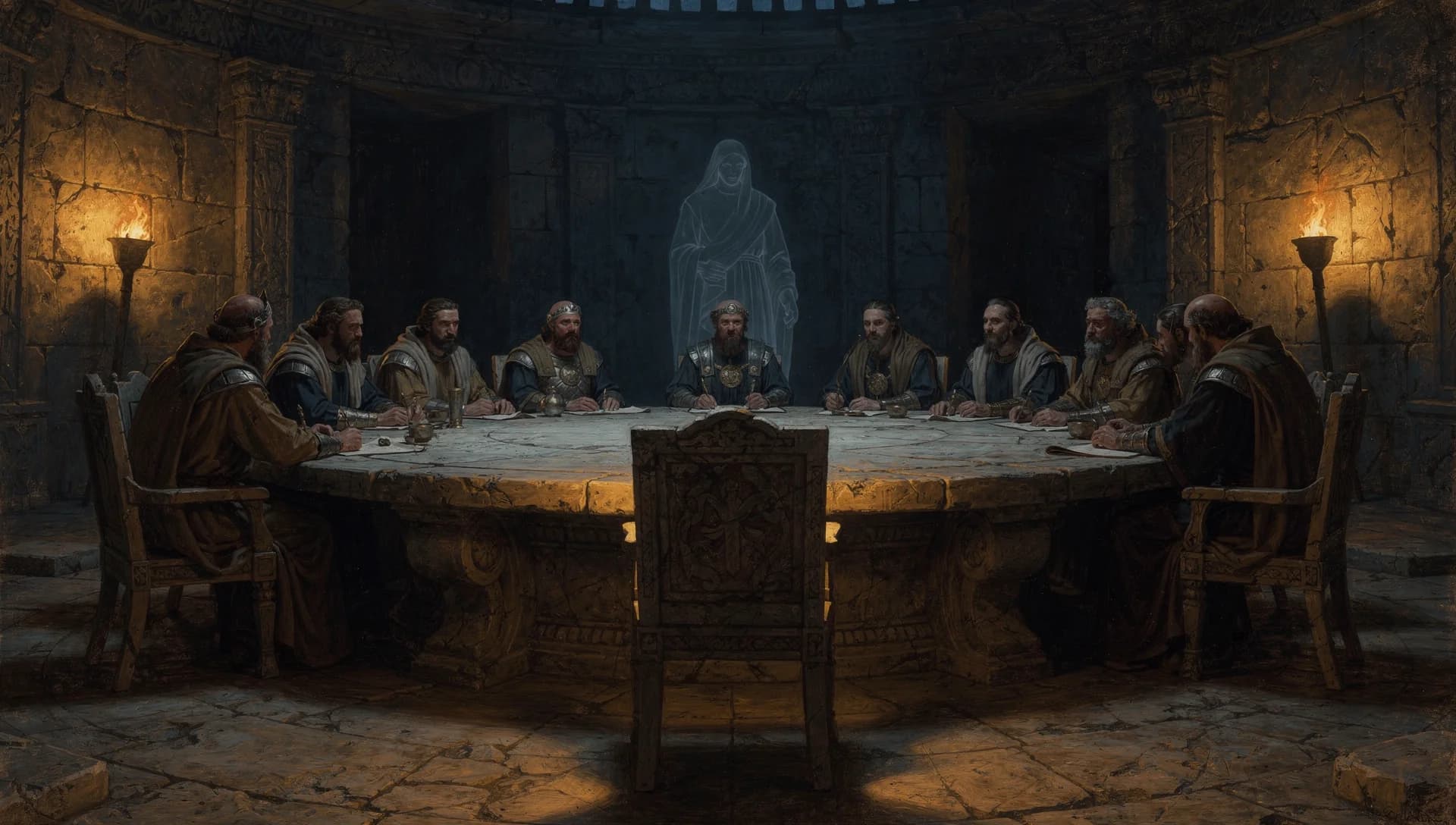
The Insider Who Betrayed: Caligastia and the Norse Loki
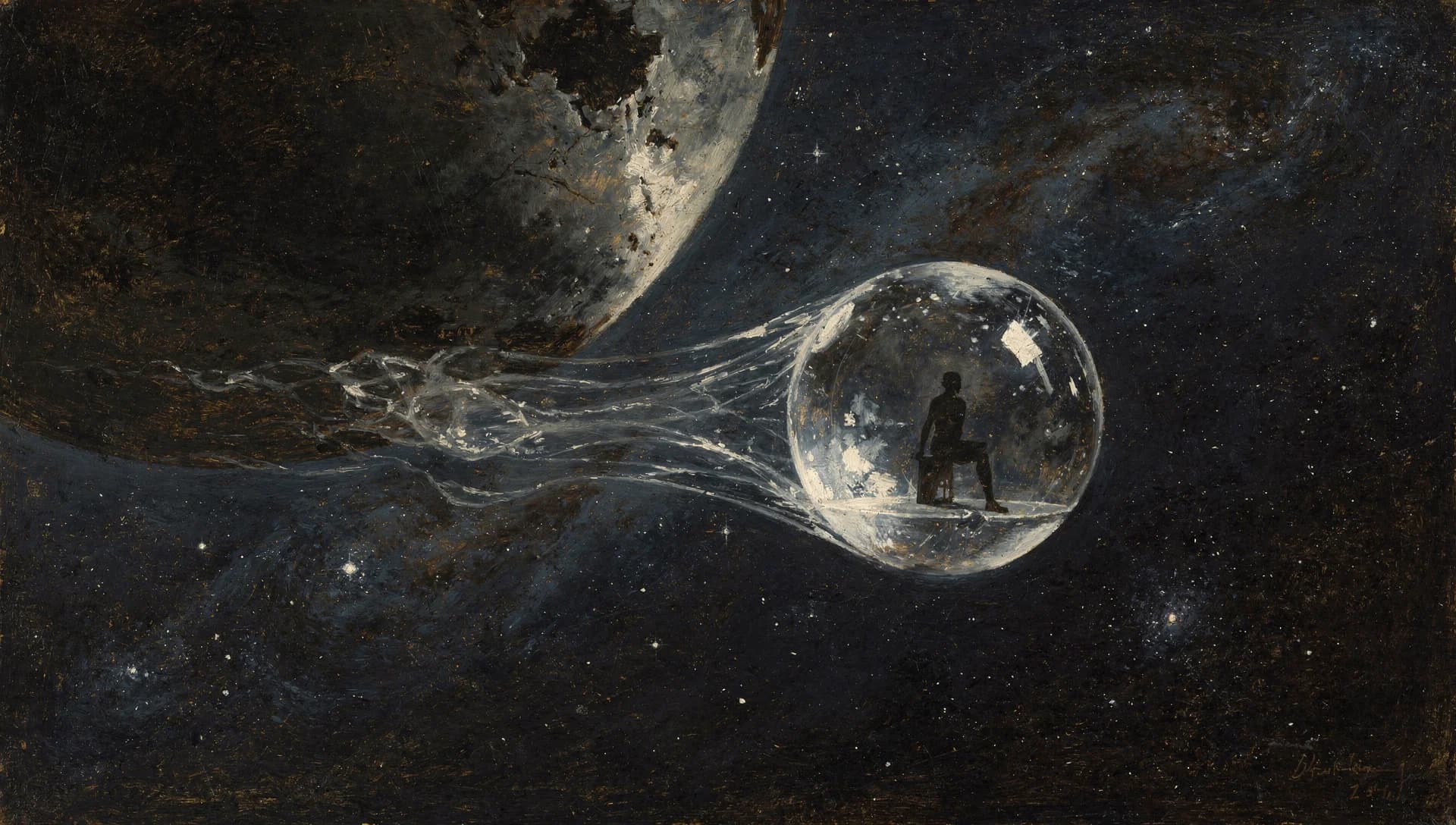
The Bound Rebel: Lucifer Interned and Loki in the Cave
The Sky Father Who Could Not Be Seen: Caligastia and the Greek Ouranos
Caligastia and Anu: The Invisible Sky Ruler Who Could Not Be Seen
The Newsletter
Get the research behind each piece
Free. New Urantia Book explorations, the sources behind the videos, and early looks. No spam, unsubscribe anytime.
Prefer video? Follow on YouTube and Facebook.
Delivered through Substack. You can also read past issues.