
The Day of Blood: Black Friday, Attis, and the Pre-Christian Sacred Calendar
The Cybele and Attis cult kept Black Friday, the Day of Blood, as the holiest day of its year. After three days of mourning the festival turned to joy with Attis's resurrection. The Urantia Book records this pre-Christian ritual calendar as one of the direct substrates the Christian Easter observance later inherited, three days of death and resurrection already in place when the church arrived.
Pre-Christian Black Friday Attis sacred calendar = Good Friday substrate in the Christian ritual year
This article expands on the decoder mapping. For the side-by-side card and quick reference, see the mapping page.
The Day of Blood
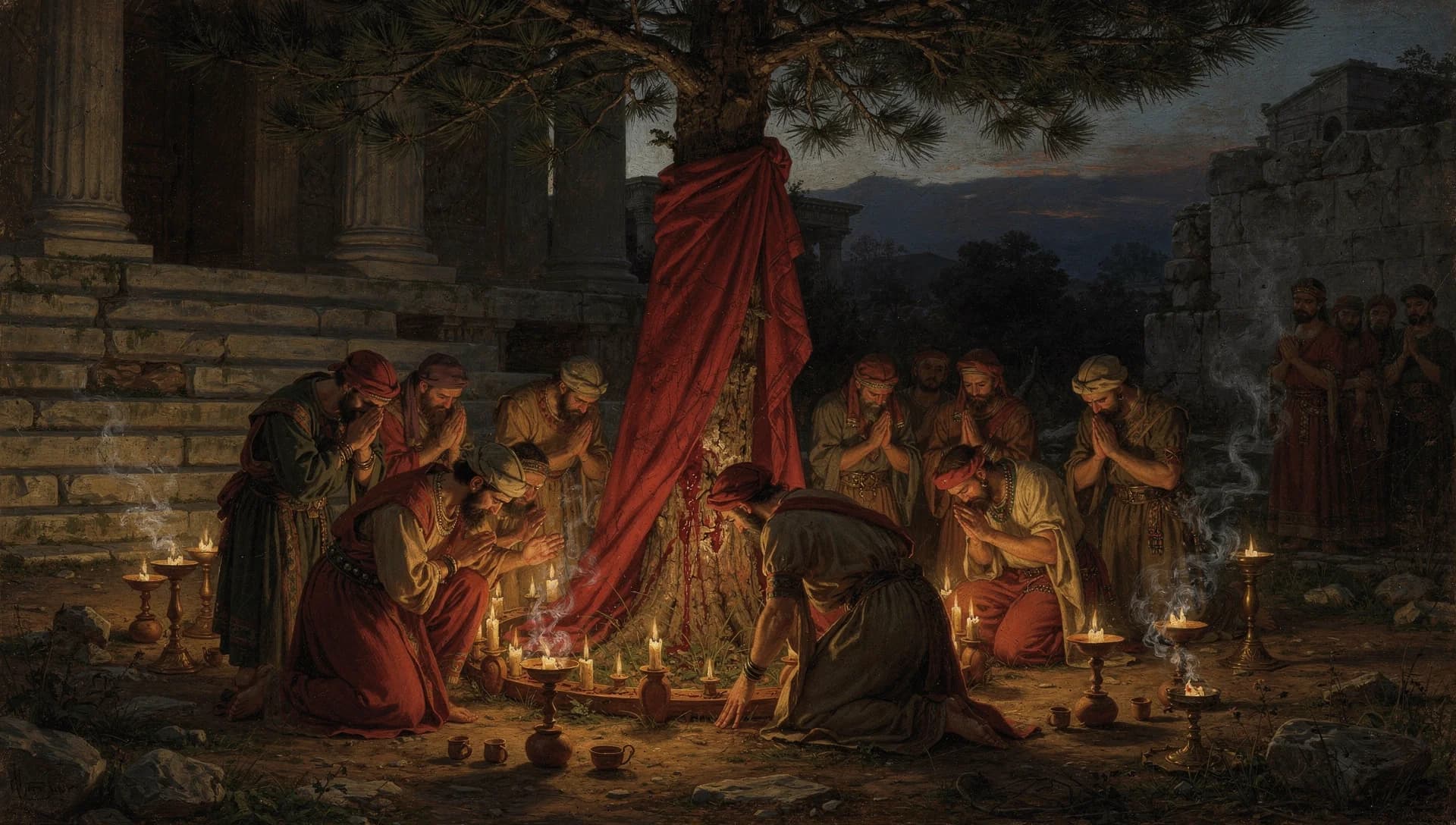
Each March, the mystery cult of Cybele and Attis ran an annual festival cycle built around the ritual death and resurrection of Attis. The most solemn day of that cycle was the Dies Sanguinis, the Day of Blood. On it, the Galli priests cut themselves in ecstatic ritual, reenacting Attis's own self-castration and death. Three days of mourning followed. Then the cycle turned, and the Hilaria, the Day of Joy, celebrated the god's return.
The whole sequence sat in a fixed slot on the late March calendar, roughly March 22 through 25 in the Julian reckoning. That is the same slot the Christian church later filled with Good Friday through Easter Sunday.
What the Urantia Book Says
The Urantia Book documents the Black Friday tradition by name.
"The Phrygian ceremonies were imposing but degrading; their bloody festivals indicate how degraded and primitive these Levantine mysteries became. The most holy day was Black Friday, the 'day of blood,' commemorating the self-inflicted death of Attis. After three days of the celebration of the sacrifice and death of Attis the festival was turned to joy in honor of his resurrection." (98:4.7)
The connection between this pre-Christian observance and the later Christian calendar is set inside a broader treatment of how Mithraic and Christian ritual converged.
"During the third century after Christ, Mithraic and Christian churches were very similar both in appearance and in the character of their ritual. A majority of such places of worship were underground, and both contained altars whose backgrounds variously depicted the sufferings of the savior who had brought salvation to a sin-cursed human race." (98:6.3)
"Always had it been the practice of Mithraic worshipers, on entering the temple, to dip their fingers in holy water. And since in some districts there were those who at one time belonged to both religions, they introduced this custom into the majority of the Christian churches in the vicinity of Rome. Both religions employed baptism and partook of the sacrament of bread and wine." (98:6.4)
The ritual and calendrical overlap between the Cybele and Attis observance and the Christian Holy Week is what you would expect from a shared cultural environment. The early Christian communities did not invent their ritual year in a vacuum. They inherited the slot.
What the Ancient Sources Say
The Cybele and Attis festival calendar is documented across Roman imperial sources. The principal modern reconstruction is Jaime Alvar's Romanising Oriental Gods: Myth, Salvation and Ethics in the Cults of Cybele, Isis and Mithras (Brill, 2008), which lays out the March cycle as follows:
- March 15 (Canna intrat): Entry of the reed, marking Cybele's discovery of the infant Attis by the river Sangarius
- March 22 (Arbor intrat): Entry of the pine, the tree that stands for the dead Attis
- March 24 (Dies sanguinis): Day of Blood, the most solemn day, with the Galli wounding themselves in ritual reenactment of Attis's death
- March 25 (Hilaria): Day of Joy, marking Attis's resurrection
- March 26 (Requietio): Day of Rest
- March 27 (Lavatio): Ritual washing of the Cybele image
The three days from Dies Sanguinis through Hilaria, March 24 to 25, carry the core of the cult. Mourning, then joy, in that order, on those days.
Maarten Vermaseren's Cybele and Attis (Thames and Hudson, 1977) gathers the archaeological evidence across the Roman Empire. The principal cultic site in Rome was the Phrygianum on the Vatican Hill, the Ager Vaticanus, which preserved the Phrygian ritual through the imperial period.
Scholars have long discussed how this calendar relates to Christian Holy Week. Hugo Rahner's Greek Myths and Christian Mystery (Herder, 1963) treated the pagan substrate beneath Christian ritual with care. Franz Cumont's earlier Oriental Religions in Roman Paganism (Open Court, 1911) had already mapped the broader oriental religious environment from which both the Cybele and Attis cult and the later Christian tradition drew.
The Christian Good Friday through Easter Sunday observance occupies the same late March slot as the pre-Christian sequence from Dies Sanguinis to Hilaria. The three days of death and resurrection shared between the two traditions look like calendrical inheritance, not independent invention.
Why This Mapping Matters
The continuity between the pre-Christian Black Friday of the Attis cult and the Christian Good Friday is well documented in mainstream religious history. The Urantia Book accounts for that continuity through what it calls corrupted Salem teaching. The original Salem expectation of a future bestowal Son, recorded at UB 93:3.7, was carried forward across many cultural substrates in ritual form. The Attis cult was one of those preservations.
This inheritance does not diminish the historical reality of the Christian Christ event. The Urantia Book treats the Christian Good Friday observance as a real commemoration of the actual crucifixion of Michael, the divine Son who lived as Jesus of Nazareth. The calendar slot was inherited. The historical content is distinct from the Attis legend.
The blended character of Christian Holy Week, real historical commemoration sitting inside an inherited ritual structure, fits the broader Urantia Book picture of how Christianity emerged. The cultural environment was already saturated with mystery cult imagery and ritual. The early church preserved the historical Christ event at its core while the surrounding calendar drew on what was already there.
The point of the mapping is this. The Christian observance is continuous with pre-Christian ritual at the level of structure and calendar. It is distinct from pre-Christian content at the level of history. The Urantia Book holds both at once: the genuine historical reality of the Christ event, and the genuine cultural continuity of the ritual year that frames it.
Sources
- The Urantia Book, Paper 98 (The Melchizedek Teachings in the Occident). Urantia Foundation, first printing 1955. Cited passages: 98:4.7, 98:6.3-4.
- Vermaseren, Maarten J. Cybele and Attis: The Myth and the Cult. Thames and Hudson, 1977.
- Alvar, Jaime. Romanising Oriental Gods: Myth, Salvation and Ethics in the Cults of Cybele, Isis and Mithras. Brill, 2008.
- Rahner, Hugo. Greek Myths and Christian Mystery. Herder, 1963.
- Cumont, Franz. Oriental Religions in Roman Paganism. Open Court, 1911.
- Duchesne, Louis. Christian Worship: Its Origin and Evolution. SPCK, 1903.
Confidence and Evidence
- Confidence: UB CONFIRMED
- Evidence rating: STRONG
- Basis: The Urantia Book directly documents the pre-Christian Black Friday of the Attis cult at UB 98:4.7 and connects the broader mystery cult ritual substrate to subsequent Christian ritual at UB 98:6.3-4. The March Attis festival cycle is well attested in archaeological and textual evidence. The shared late March three-day structure of mourning turning to joy between the Attis cult and Christian Holy Week is calendrically documented.
Related Decoder Articles
- Cybele and Attis = Phrygian Mystery Cult
- Dying-and-Rising Gods = Corrupted Salem Teaching
- Paul's Composite Christianity
Byline: Derek Samaras | Urantia Book Network | April 2026
Connecting Articles
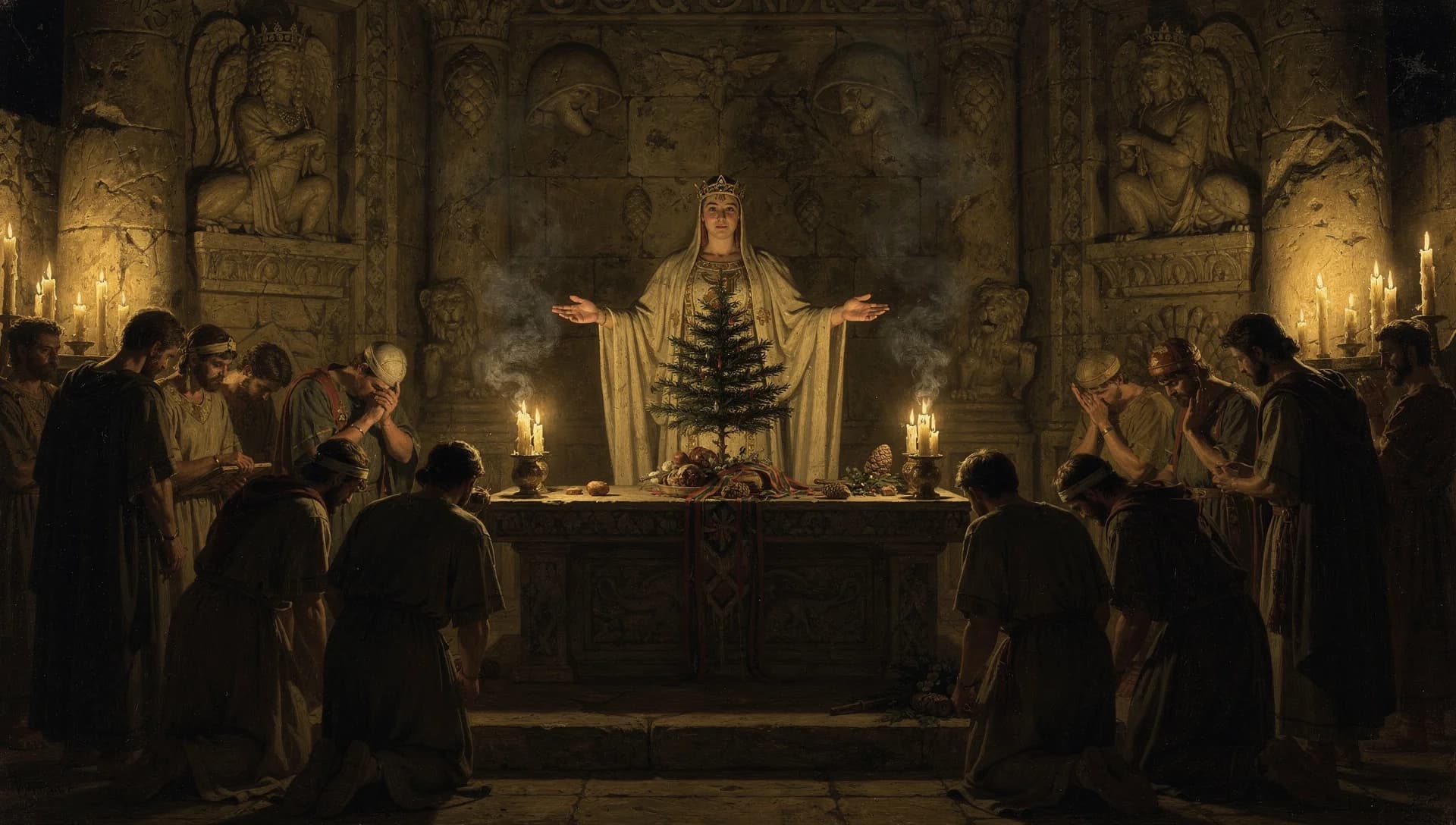
The Mother and Her Dying Son: Cybele, Attis, and the Corrupted Salem Teaching
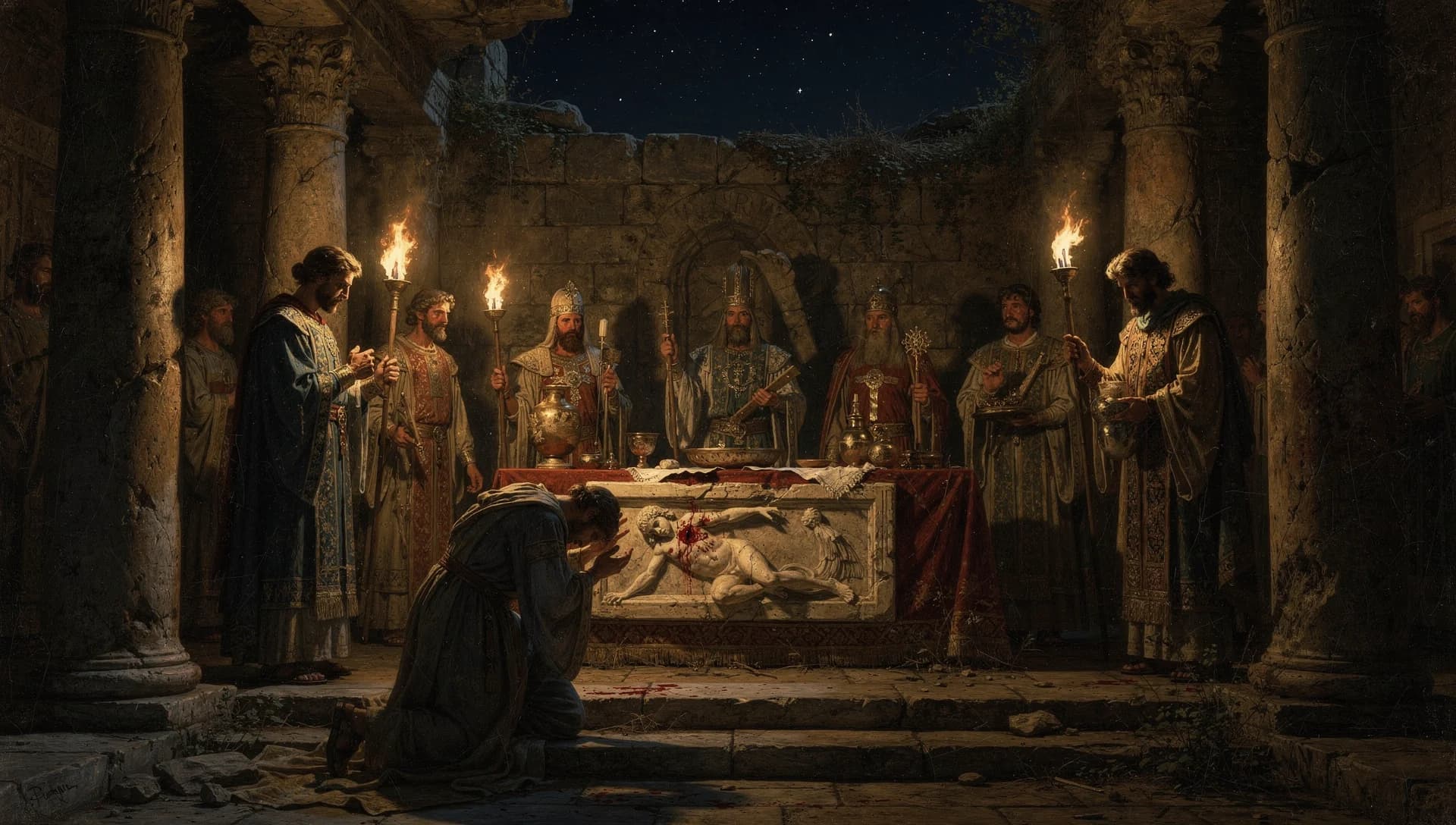
The Sacrificed Son Who Rises: Osiris, Tammuz, Attis, and the Corrupted Salem Teaching

The Longest Memory: Australian Aboriginal Dreamtime and the Primordial Teaching-Ancestors
The Final Adjudication: Ragnarok and the Pending Verdict
The Newsletter
Get the research behind each piece
Free. New Urantia Book explorations, the sources behind the videos, and early looks. No spam, unsubscribe anytime.
Prefer video? Follow on YouTube and Facebook.
Delivered through Substack. You can also read past issues.